8 minute read
High-Protein Meal Planning Without Repetitive Meals
Organize higher-protein meals with varied sources, breakfast and snack planning, batch prep, portable backups, personal targets, and no repetition.

Higher-protein meal planning becomes monotonous when every meal is built around the same batch-cooked item. Variety can come from rotating sources, distributing them across the day according to an individual's plan, changing preparation and flavor, and keeping portable options available. This guide does not set a universal protein target; needs vary and may require professional guidance.
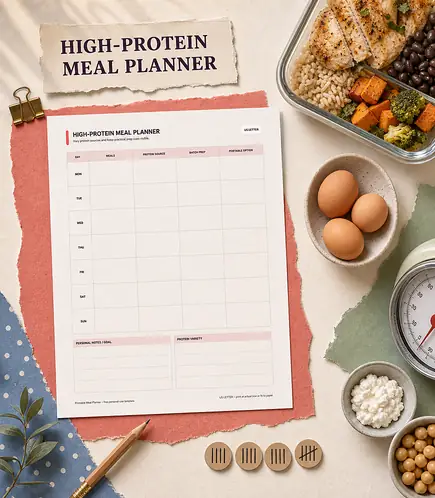
The weekly page will make protein sources visible across meals while preserving variety, practical preparation, produce, and the rest of the meal. This guide turns that outcome into a repeatable paper workflow rather than a perfect menu that only works once. Start with the information you already have, make the few decisions that reduce the most friction, and leave visible room for the week to change.
Use an individualized target when one is needed
Protein needs differ by body, age, activity, health, and overall diet. A generic printable cannot determine an appropriate amount. Use a target provided by a qualified professional or an established personal plan when relevant. Otherwise, use the planner simply to make sources visible without numeric scoring.
For example, one person may track a professional recommendation while another household uses only the source column. On your planner, keep the goal and its source in the notes area rather than presenting it as universal. Review that note at the end of the week so the next plan reflects what actually happened rather than what you hoped would happen.
- Do not copy another person's target.
- Consider the whole dietary pattern.
- Seek professional guidance for medical or performance needs.
Rotate sources and dietary formats
A single source repeated all week can create boredom and crowd out other useful foods. Variety also supports different meals and preferences. Plan from appropriate options such as beans, lentils, tofu, tempeh, eggs, dairy or alternatives, fish, poultry, meat, nuts, seeds, or combinations according to the household.
For example, breakfast may use eggs or yogurt alternatives, lunch beans or tofu, and dinner fish, chicken, lentils, or another suitable source. On your planner, write the primary source beside every planned meal. Review that note at the end of the week so the next plan reflects what actually happened rather than what you hoped would happen.
- Respect allergies and dietary choices.
- Use sources available and affordable.
- Avoid treating supplements as an automatic requirement.
Plan breakfast and lunch deliberately
Waiting until dinner can make the rest of the day feel disconnected from the personal plan. Earlier meals often benefit most from advance preparation. Choose several breakfast and lunch formats with visible sources and realistic prep. Reuse components in different forms rather than duplicating complete meals.
For example, a prepared bean mixture can support lunch bowls, while eggs, tofu, yogurt or alternatives, or other choices can rotate at breakfast. On your planner, fill earlier meals before deciding whether snacks need a dedicated protein source. Review that note at the end of the week so the next plan reflects what actually happened rather than what you hoped would happen.
- Match breakfast to morning capacity.
- Keep lunch portable when required.
- Include produce and other meal components.
Batch components without locking the menu
Preparing seven identical meals saves assembly time but sacrifices flexibility. Neutral components can support more variety. Cook one or two suitable protein components with simple seasoning, then use different sauces, bases, vegetables, or formats across the week.
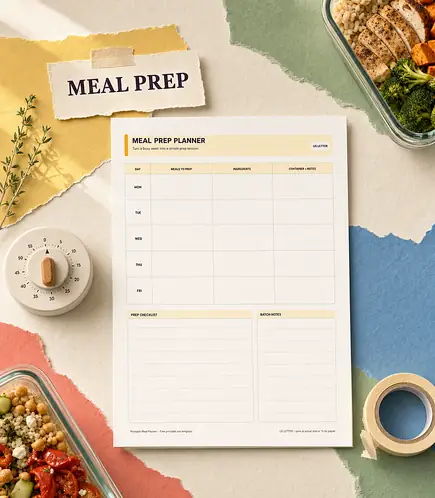
For example, beans or cooked chicken can enter bowls, wraps, soup, or salad with different finishing ingredients. On your planner, write two planned destinations beside each batch. Review that note at the end of the week so the next plan reflects what actually happened rather than what you hoped would happen.
- Store cooked food appropriately.
- Freeze surplus early.
- Keep sauces separate when useful.
Keep a portable option for disrupted days
Travel, delayed meetings, and missed preparation can make the planned meal unavailable. A suitable backup prevents the whole day from depending on one dinner. Choose a portable or shelf-stable option appropriate to the person's plan and setting. Include any companion food needed to make it a useful meal or snack.
For example, a packed yogurt alternative, suitable bar, nuts or seeds where appropriate, or a freezer breakfast may serve as backup. On your planner, list the backup and restock date. Review that note at the end of the week so the next plan reflects what actually happened rather than what you hoped would happen.
- Check labels and allergies.
- Follow storage requirements.
- Choose an option that fits the established plan.
Review variety, effort, and the whole meal
A source-focused planner can accidentally ignore vegetables, grains, fats, flavor, cost, and enjoyment. Higher protein does not make the rest of the meal irrelevant. Review source diversity, meal balance according to personal guidance, preparation workload, and which options were genuinely convenient. Adjust the system rather than only increasing numbers.
For example, a meal may meet a numeric target but be too difficult to prepare or too repetitive to remain useful. On your planner, keep one varied meal and one workload adjustment for next week. Review that note at the end of the week so the next plan reflects what actually happened rather than what you hoped would happen.
- Consider food quality and enjoyment.
- Avoid reducing meals to one nutrient.
- Revisit goals with a qualified professional when needed.
Make the plan work for you
Higher-protein planning should make sources easier to distribute and prepare while preserving complete, enjoyable meals. Rotate sources and formats, batch neutral components, and use only goals appropriate to the individual. Begin with this one action: write any personally appropriate goal or guidance in the notes area, then list the protein sources and convenient options that fit the household Keep the completed sheet where you will see it, make one adjustment after the week is over, and reuse the parts that genuinely saved time, money, or attention.